Exclusive CEO Interview: Michael Frederick Shares the Vision Behind Swovo
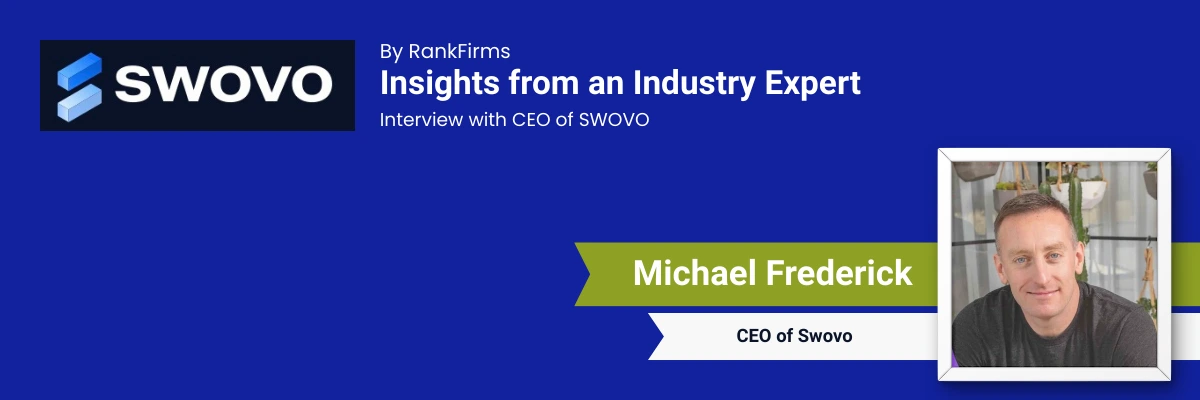
Gain valuable insights from the CEO of Swovo (Formerly Flatiron) in this exclusive interview. Explore leadership philosophy, industry perspectives, and the future of technology and innovation.
1. What inspired the founding of Flatirons Development and what gap in the software development industry were you aiming to address?
The idea behind founding Flatirons Development came from a desire to help organizations build digital products that truly deliver value. In many cases, businesses were investing heavily in technology but struggling to transform their ideas into reliable, scalable software. We saw an opportunity to bridge the gap between product vision and technical execution. Our goal from the beginning was to combine strong engineering capabilities with thoughtful product strategy so that companies could build technology solutions that not only function well but also solve meaningful problems for their users.
2. Flatirons Development has recently evolved into Swovo. What motivated this rebranding, and how does the new identity reflect the company’s future direction?
The transition from Flatirons Development to Swovo represents the natural evolution of our company. Over time, our services expanded beyond traditional development into a broader product innovation and technology partnership model. The new brand reflects our commitment to helping businesses move faster, innovate smarter and build products that adapt to rapidly changing markets. While our name has evolved, our core focus remains the same, delivering impactful digital solutions that drive long-term success for our clients.
3. Your company focuses heavily on product strategy and user-centred design. Why do you believe these elements are critical in building successful digital products today?
Technology alone does not guarantee success. The most successful digital products are built around the needs of their users. User-centred design ensures that the product is intuitive, efficient and meaningful to the people who rely on it. When product strategy and design are integrated early in the development process, companies avoid costly mistakes and create solutions that truly resonate with their audience. At Swovo, we see product development as a collaborative process where design thinking, technology and business strategy work together.
4. What makes your approach to software development different from traditional development agencies?
Traditional development agencies often focus on delivering exactly what is requested. Our approach is different, we focus on understanding why a solution is needed before determining how it should be built. We work closely with our clients to evaluate the problem from multiple angles and identify opportunities for improvement, innovation, and scalability. This strategic perspective allows us to create software that not only meets current requirements but also supports future growth.
5. Swovo works with companies across industries such as healthcare, fintech and real estate. How do you adapt your development strategy for different sectors?
Every industry has its own regulatory requirements, operational challenges and user expectations. Our first step is always to understand the context in which our clients operate. For example, healthcare platforms require strict compliance and data security, while fintech products demand high reliability and performance. By combining domain knowledge with flexible development frameworks, we are able to tailor our solutions to the specific needs of each industry.
6. Many startups struggle to move from idea to product. How does your team help founders turn early concepts into scalable software solutions?
Turning an idea into a successful product requires both clarity and discipline. Many founders begin with a strong vision but need guidance in defining the product roadmap and prioritizing features. Our team works closely with startups to validate ideas, develop prototypes and build minimum viable products that allow them to test their concepts quickly. From there, we focus on building scalable architectures so the product can grow alongside the business.
7. What role do emerging technologies like artificial intelligence, cloud computing and data analytics play in your development process?
Emerging technologies are transforming the way digital products are designed and delivered. Artificial intelligence, cloud infrastructure and advanced analytics allow organizations to build smarter and more responsive systems. At Swovo, we integrate these technologies when they genuinely enhance the product’s capabilities. Our goal is not to adopt trends simply because they are popular but to apply the right tools that create measurable value for our clients.
8. Building enterprise-grade software requires strong collaboration between teams. How do you ensure effective communication between designers, engineers and clients?
Communication is one of the most critical factors in successful product development. We emphasize transparency and collaboration throughout every stage of the project. Our teams work in structured development cycles where designers, engineers and stakeholders regularly review progress and provide feedback. This ensures that everyone remains aligned with the product vision and that potential challenges are addressed early.
9. As the software industry continues to evolve rapidly, what major challenges do technology companies face today and how does your company stay ahead of them?
One of the biggest challenges in the technology industry is the constant pace of change. New frameworks, tools and platforms appear frequently, making it essential for teams to continuously learn and adapt. Another challenge is ensuring that technology investments actually produce meaningful business outcomes. At Swovo, we stay ahead by investing in research, encouraging continuous learning within our teams and focusing on building solutions that create real business impact.
10. What advice would you give to startups and entrepreneurs who are looking to build their first digital product or technology platform?
My advice is to focus on solving a real problem for your users rather than trying to build the most complex product possible. Start small, validate your assumptions and iterate quickly based on feedback. Equally important is building the right team. A strong group of designers, engineers and advisors can help transform an idea into a successful product. Entrepreneurship requires persistence and adaptability but with the right approach, technology can become a powerful driver of innovation and growth.