
Google Chrome
What is Google Chrome Software?
Google Chrome features cross-platform compatibility. It can be deployed across diverse desktop, mobile, and cloud environments, specifically on Windows (including Windows Server), macOS, Linux (Ubuntu, Debian, Fedora, and openSUSE), iOS, Android, and natively on ChromeOS.
For enterprise environments, it can be deployed centrally using Windows Installer (MSI) packages or Apple Automated Device Enrollment. IT administrators manage these installations at scale through Chrome Browser Cloud Management, Microsoft Intune, or Group Policy Objects (GPO) to enforce security rules and extension blacklists.
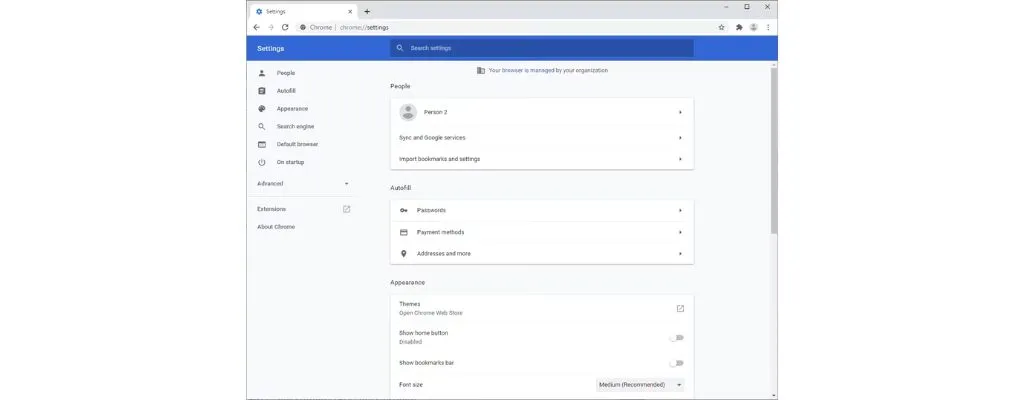
Google Chrome Screenshots
Google Chrome Pricing
Google Chrome Features
 Private Browsing
Extension Management
Developer Tools
Extension Management
Dark Mode
App Management
Google Chrome Reviews
“best safe browser”
Reviewed by Pranab , Senior associated in India Warehousing
-
 5 Reliability & Trustworthy
-
5 Quality Of Service
-
5 Creativity & Expertise
-
5 Timelines & Budget
5Company Rating
Google Chrome features cross-platform compatibility. It can be deployed across diverse desktop, mobile, and cloud environments, specifically on Windows (including Windows Server), macOS, Linux (Ubuntu, Debian, Fedora, and openSUSE), iOS, Android, and natively on ChromeOS.
For enterprise environments, it can be deployed centrally using Windows Installer (MSI) packages or Apple Automated Device Enrollment. IT administrators manage these installations at scale through Chrome Browser Cloud Management, Microsoft Intune, or Group Policy Objects (GPO) to enforce security rules and extension blacklists.
“Best free browser app for desktop and mobile”
Reviewed by Subhobrata, Co Founder and Lead- Client Success in India Management Consulting
-
5 Reliability & Trustworthy
-
5 Quality Of Service
-
5 Creativity & Expertise
-
5 Timelines & Budget
5Company Rating
Google Chrome features cross-platform compatibility. It can be deployed across diverse desktop, mobile, and cloud environments, specifically on Windows (including Windows Server), macOS, Linux (Ubuntu, Debian, Fedora, and openSUSE), iOS, Android, and natively on ChromeOS.
For enterprise environments, it can be deployed centrally using Windows Installer (MSI) packages or Apple Automated Device Enrollment. IT administrators manage these installations at scale through Chrome Browser Cloud Management, Microsoft Intune, or Group Policy Objects (GPO) to enforce security rules and extension blacklists.